16 Jul 2026
Adaptive Haptic Feedback Patterns Shaping Decision Timing in Portable Strategy Matches
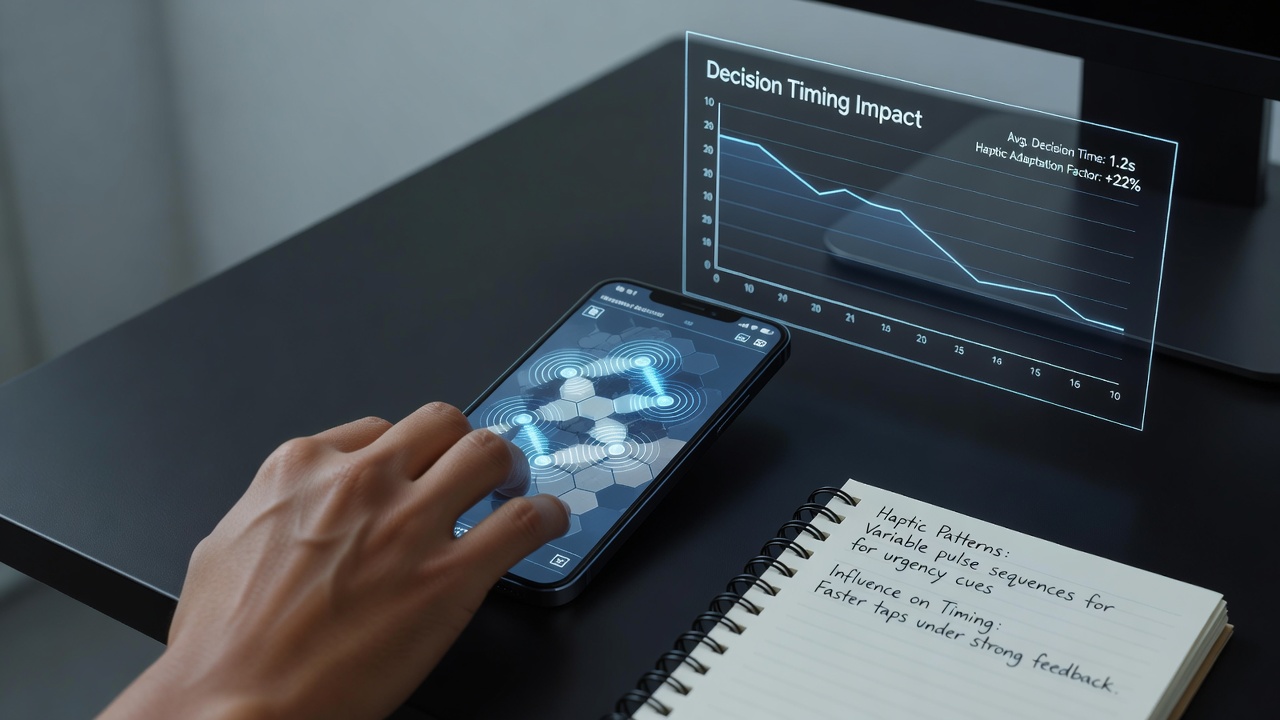
Portable strategy matches rely on precise timing for moves in games that unfold on smartphones and tablets, and adaptive haptic feedback patterns have emerged as a factor that adjusts vibration intensity and rhythm based on in-game events. These systems detect player inputs and game states then modify tactile responses accordingly, which in turn correlates with changes in how quickly competitors execute decisions during matches. Data from regional leagues shows variations in response intervals when haptic patterns adapt to resource management scenarios or unit positioning challenges.
Core Mechanisms Behind Adaptive Haptic Systems
Adaptive haptic technology in mobile devices integrates sensors that monitor touch pressure alongside game engine variables, then generates feedback sequences ranging from short pulses during unit selections to sustained vibrations when timers approach critical thresholds. Researchers at several institutions have documented these patterns influencing the interval between threat identification and action confirmation, with adjustments occurring in real time as match conditions evolve. In July 2026 tournaments held across multiple continents, participants using devices with updated haptic drivers recorded measurable shifts in move completion rates compared to earlier hardware iterations.
Engineers design these patterns to align with cognitive load levels, so a player managing multiple fronts receives distinct tactile cues that differentiate between defensive reinforcements and offensive probes. Observers note that the feedback does not replace visual or auditory information but supplements it, creating a layered input channel that some competitors integrate into their decision loops. Figures from device manufacturers indicate that adaptive calibration reduces certain types of input errors by aligning physical sensations with strategic priorities.
Observed Effects on Decision Intervals
Studies tracking player performance reveal that adaptive haptic sequences can shorten the time between recognizing an optimal play and registering the corresponding input, particularly in fast-paced phases where multiple units require simultaneous commands. One analysis of portable strategy events found average decision windows contracting by fractions of a second when feedback patterns escalated in complexity during late-game resource allocations. Conversely, simpler vibration profiles during early scouting phases correlated with steadier pacing rather than rushed selections.
Portable devices equipped with advanced linear resonant actuators deliver these patterns more consistently than older eccentric rotating mass motors, allowing finer distinctions in intensity that players report using to gauge remaining action windows. Data collected during international qualifiers demonstrates that teams incorporating haptic-aware training routines achieved tighter synchronization between individual decision points and overall match tempo. What's interesting here is how the same device settings produced different timing outcomes depending on whether matches occurred in controlled environments or high-distraction settings.
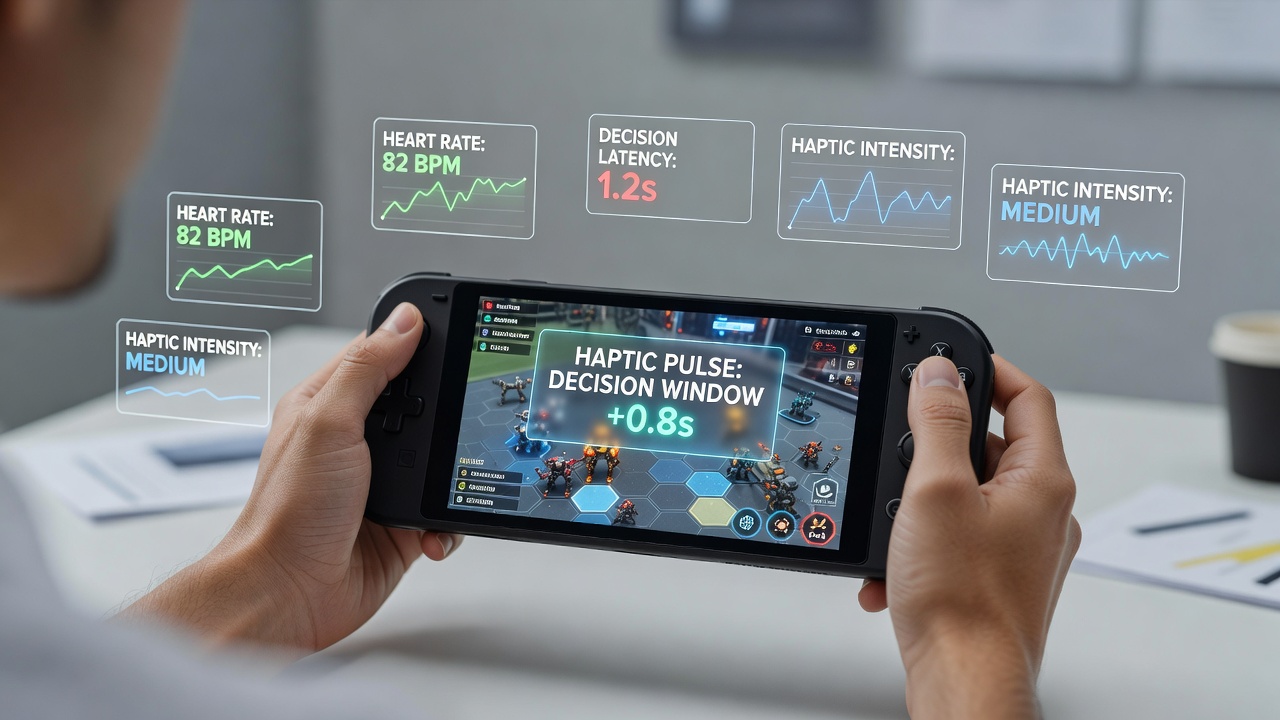
Case examples from European circuit events illustrate players adjusting their grip and attention allocation after receiving escalating haptic signals that indicated incoming counterattacks. These adjustments translated into earlier command issuances without altering the underlying strategy, suggesting the feedback acts as an external timing reference. Academic reports from North American universities have examined similar setups and identified correlations between pattern adaptability and reduced instances of delayed responses in prolonged sessions.
Integration with Broader Tournament Ecosystems
Device manufacturers have released firmware updates that refine haptic mapping specifically for strategy titles, and league organizers in Asia-Pacific regions began requiring standardized calibration checks before matches in mid-2026. These protocols ensure consistent feedback delivery across different hardware models, which in turn supports fairer comparisons of decision timing across competitors. Industry groups such as the Institute of Electrical and Electronics Engineers have published guidelines on haptic latency tolerances that tournament hardware must meet.
Training programs now incorporate haptic simulation modules so players practice interpreting variable feedback under controlled conditions before live events. Metrics gathered from these sessions indicate progressive improvements in how quickly individuals map tactile signals to strategic options, with some participants demonstrating sustained reductions in hesitation intervals over repeated exposures. Regulatory bodies including the Australian Communications and Media Authority have reviewed device specifications for portable gaming equipment, confirming that adaptive systems operate within established electromagnetic and safety parameters.
Future Measurement Approaches
Continued data collection at upcoming events will track how evolving haptic algorithms interact with emerging processor architectures in portable devices. Current evidence points to feedback patterns serving as one variable among several that collectively shape decision timing, alongside network conditions and display refresh characteristics. Analysts expect further refinements as software developers gain access to more granular sensor data from newer hardware generations.
Conclusion
Adaptive haptic feedback patterns continue to factor into decision timing dynamics within portable strategy matches through their capacity to deliver context-sensitive tactile information. Evidence accumulated through tournament observations and laboratory measurements shows these systems modulating response intervals in measurable ways, with outcomes varying according to device capabilities, calibration standards, and player familiarity. Ongoing developments in hardware and software will likely expand the role these patterns play as the competitive landscape advances.