21 Jun 2026
Adjusting Input Devices: The Role of Calibration in Esports Reaction Dynamics
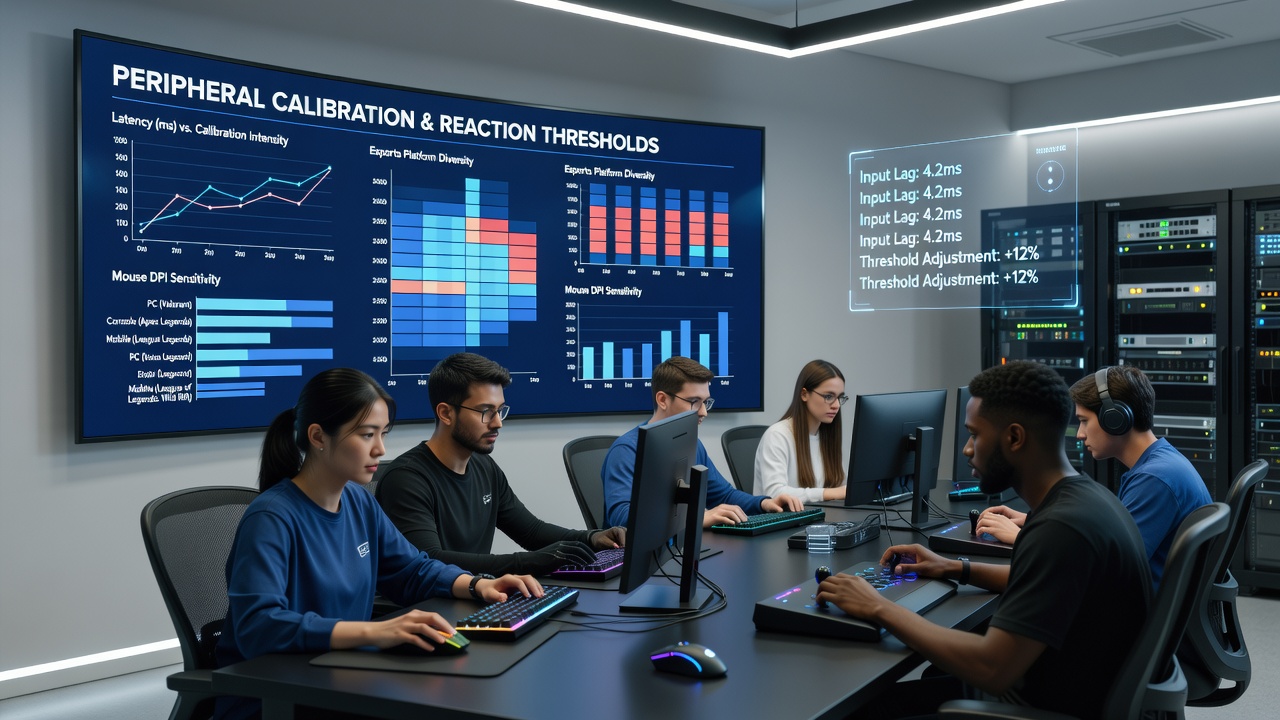
Peripheral calibration techniques have gained attention across esports platforms because they directly shape how players register and respond to in-game events through adjusted input thresholds. These methods involve fine-tuning hardware parameters such as polling rates, dead zones, and sensitivity curves on devices including mice, keyboards, controllers, and touchscreens, which in turn influence the minimum stimulus needed to trigger a reaction. Data from platform-specific testing shows variations in response times that correlate with calibration settings applied before competitive matches.
Core Calibration Parameters Across Devices
Calibration starts with establishing baseline values for each peripheral, where technicians measure input latency under controlled conditions before adjusting for optimal thresholds. On PC platforms, mouse calibration often includes setting DPI levels between 400 and 1600 alongside polling rates up to 8000 Hz, and these changes alter the detection point at which cursor movement registers as an action. Keyboard calibration focuses on debounce times and actuation distances, reducing the force threshold required for key registration from 60 grams down to 45 grams in many tournament configurations. Observers note that such adjustments produce measurable shifts in reaction windows during rapid-fire sequences common in first-person shooters.
Console environments rely more on controller calibration routines that address analog stick dead zones and trigger sensitivity. Standard procedures involve mapping input ranges to eliminate slack, which tightens the reaction threshold for movements like aiming or acceleration. Regional leagues in Asia have documented how recalibrated controllers cut average input delay by 3 to 7 milliseconds compared with factory defaults, according to aggregated telemetry shared among professional teams. Mobile platforms introduce touch-screen calibration that accounts for pressure sensitivity and gesture recognition zones, where players adjust swipe thresholds to match device-specific refresh behaviors.
Platform-Specific Influences on Reaction Thresholds
Diverse esports platforms exhibit distinct responses to calibration because hardware architectures differ in signal processing pipelines. PC setups benefit from customizable firmware that allows real-time threshold modifications, leading to tighter reaction profiles in high-stakes qualifiers. Console ecosystems limit some adjustments through manufacturer lockouts, yet third-party tools still enable dead-zone reductions that affect timing consistency during extended play sessions. Mobile circuits face additional variables from operating system overlays and variable touch sampling rates, which calibration software compensates for by remapping gesture boundaries to lower activation thresholds.
Studies conducted through university labs indicate that calibrated peripherals produce more predictable reaction curves across repeated trials, whereas uncalibrated devices introduce variability tied to environmental factors like temperature or battery voltage. In June 2026, several international circuits incorporated mandatory pre-tournament calibration checks to standardize these thresholds and reduce hardware-related discrepancies among competitors.
Measurement Protocols and Data Collection
Accurate assessment of calibration effects requires standardized testing rigs that record input-to-output latency with microsecond precision. Researchers employ high-speed cameras synchronized with game engines to capture the exact moment a calibrated action translates into on-screen response, and these protocols reveal platform-dependent differences in threshold behavior. For instance, console data logs often show greater variance in trigger calibration outcomes due to wireless transmission overhead, whereas wired PC configurations maintain steadier profiles after adjustment.
Industry reports from organizations such as the Entertainment Software Association highlight how calibration logs from major tournaments correlate with performance metrics in objective-based games. Separate analyses from European research institutions have examined similar patterns in mobile esports, confirming that recalibrated touch interfaces lower the effective reaction threshold by aligning gesture detection more closely with player intent.
Longitudinal Effects in Tournament Settings
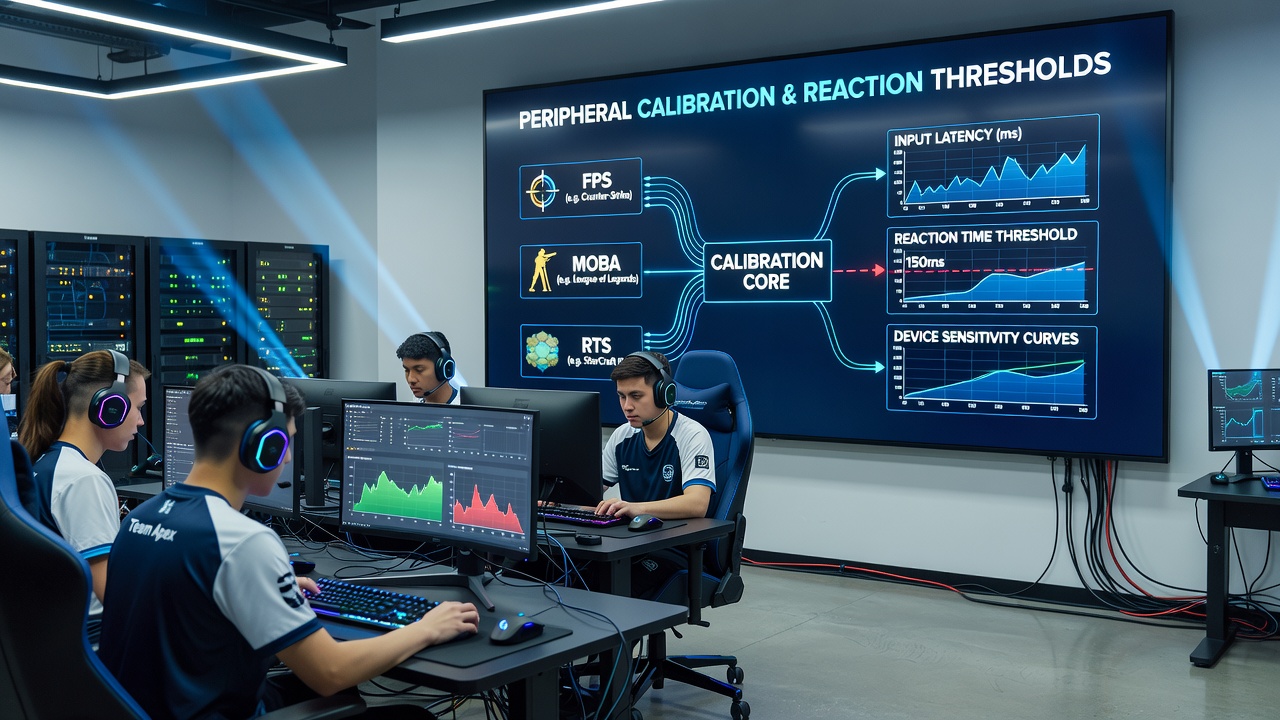
Over multiple matches, calibrated peripherals demonstrate sustained influence on reaction consistency because initial threshold settings resist drift when maintained through regular verification routines. Teams in global circuits track these metrics across seasons, noting that devices recalibrated at intervals of two weeks exhibit fewer spikes in latency during peak tournament loads. Platform differences become pronounced here, with PC environments allowing software-based recalibration mid-event while console and mobile setups require physical reconfiguration between rounds.
Telemetry gathered from servers in various regions further illustrates how calibrated input reduces false negatives in action registration, particularly in games that demand sub-100 millisecond responses. Australian gaming research groups have contributed comparative datasets showing mobile calibration benefits in high-latency network conditions, where adjusted touch thresholds compensate for transmission delays without altering core game mechanics.
Emerging Calibration Tools and Integration
Software utilities now integrate machine-assisted calibration that analyzes player-specific input patterns to suggest threshold modifications. These tools process historical match data to recommend DPI curves or dead-zone percentages tailored to individual reaction profiles, and adoption rates have risen among professional circuits since 2025. Hardware manufacturers have responded by embedding calibration wizards directly into device firmware, streamlining the process for competitors who switch platforms frequently.
Cross-platform events present unique challenges because calibration standards must accommodate differing input ecosystems while preserving competitive equity. Organizers address this through pre-approved calibration profiles that teams load onto devices before matches, ensuring reaction thresholds remain within defined parameters regardless of whether participants use PC, console, or mobile hardware.
Conclusion
Peripheral calibration techniques continue to shape reaction thresholds in measurable ways across esports platforms through systematic adjustment of input parameters. Platform variations in hardware and software create distinct calibration requirements that influence timing consistency and action registration. Ongoing data collection from tournaments and research initiatives provides clearer pictures of how these adjustments perform under competitive conditions, supporting standardized approaches that maintain fairness while accommodating diverse device ecosystems.