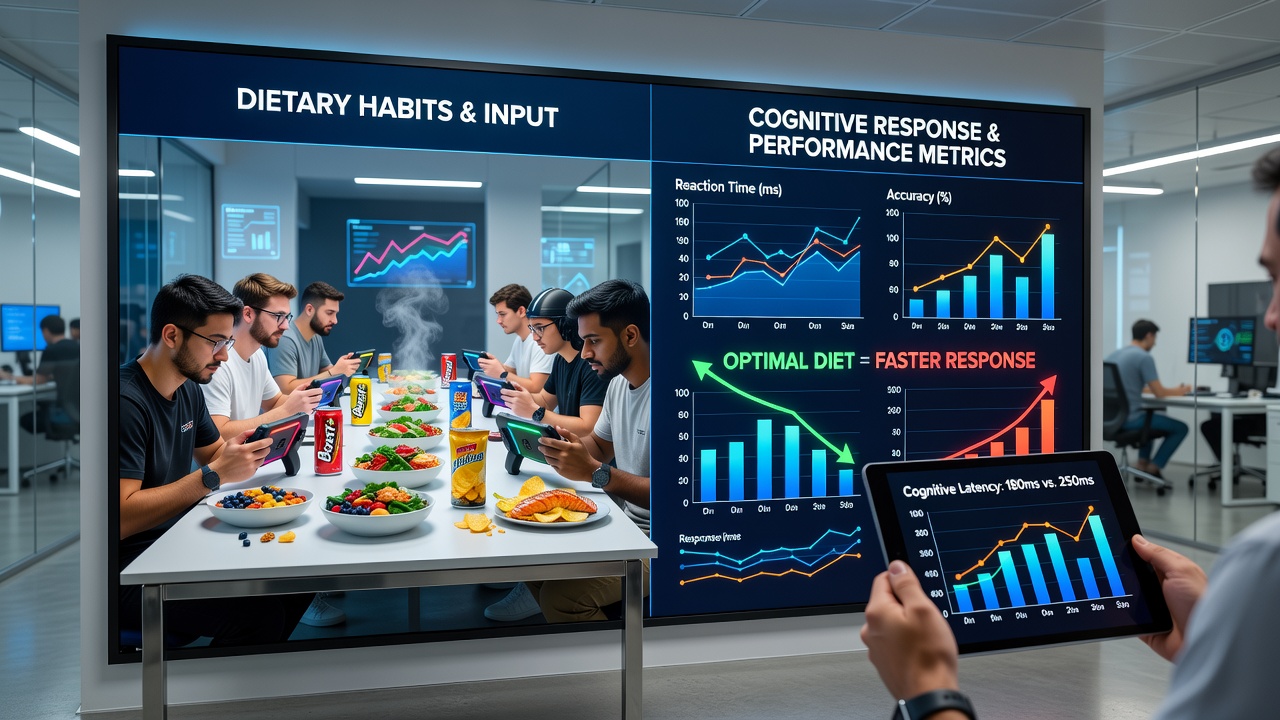
7 Jul 2026
Dietary Choices and Their Effects on Cognitive Speed in Professional Mobile Gaming Circuits
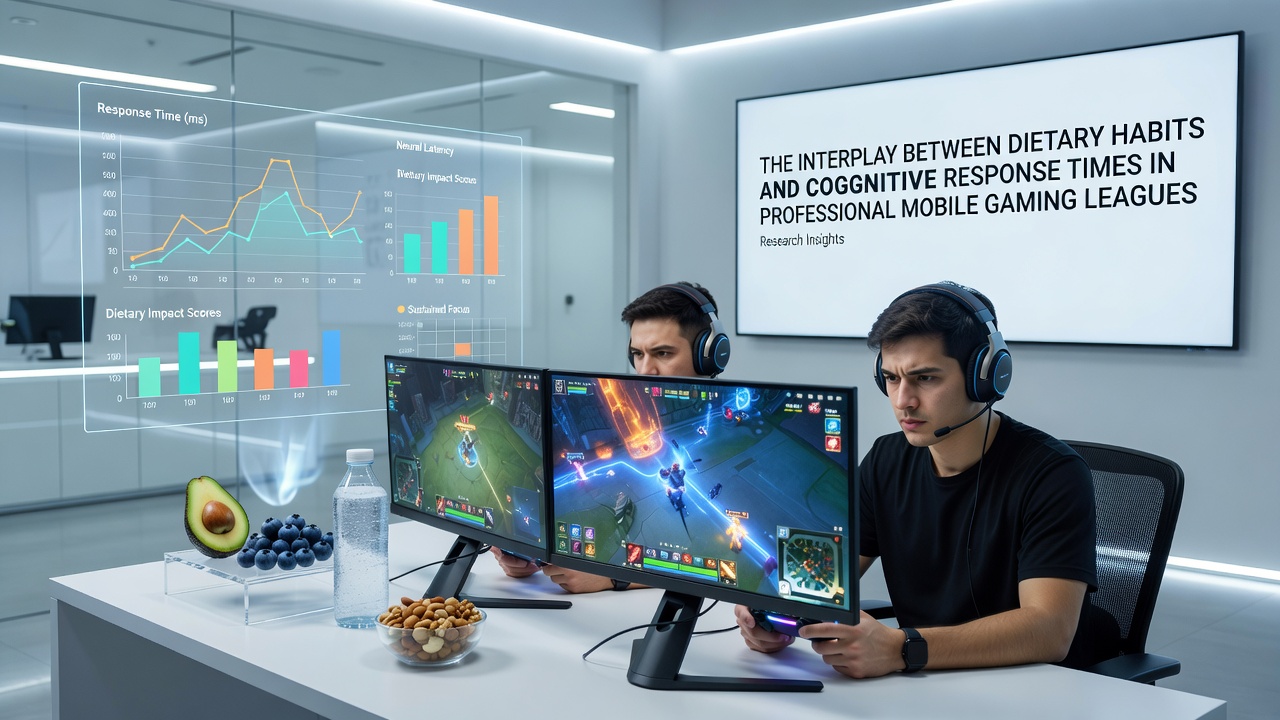 Professional mobile gaming leagues have expanded rapidly in recent years, and researchers have begun examining how everyday dietary patterns intersect with the split-second decisions that define competitive play. Data from multiple international tournaments shows that players who maintain consistent meal timing often record steadier response metrics during extended matches, whereas irregular eating schedules correlate with measurable dips in reaction consistency. Observers note these patterns across leagues in Asia, Europe, and North America, where events scheduled for July 2026 will again test athletes under high-stakes conditions. Nutrition directly supplies the glucose and micronutrients required for sustained neural firing, and several studies track how specific intake profiles relate to on-screen performance. Teams competing in major circuits now monitor hydration levels because even mild dehydration slows signal transmission between visual input and motor output. Research conducted at Australian universities indicates that players consuming adequate water throughout the day maintain faster average reaction times compared with those who rely primarily on caffeinated beverages alone.
Macronutrient Timing and In-Game Decision Speed
Carbohydrate distribution across the day influences blood glucose stability, which in turn affects the speed of visual processing that mobile gamers rely upon. Athletes who spread complex carbohydrate intake across smaller, frequent meals demonstrate fewer instances of mid-match slowdowns, according to performance logs collected during regional qualifiers. Protein consumption supports neurotransmitter production, and data gathered by Canadian sports science groups reveals that players meeting daily protein targets sustain sharper focus during multi-hour sessions. Fat intake, particularly omega-3 sources, appears in several observational reports as a factor supporting membrane fluidity in neural cells. Leagues based in South Korea have incorporated nutrition tracking into training regimens, and figures released by the Korean Esports Association show that squads emphasizing fatty fish or supplemented alternatives post lower average latency scores in controlled testing environments.Micronutrients and Sustained Attention
B vitamins and magnesium participate in energy metabolism within brain tissue, and deficiency patterns have been linked to slower task-switching abilities in competitive settings. European research teams monitoring players across mobile titles found that those with balanced micronutrient profiles recovered more quickly between rounds. Iron status also matters because oxygen delivery to the brain underpins the rapid information processing demanded by fast-paced mobile titles. Caffeine remains a common tool for acute alertness, yet its effects vary based on timing and individual tolerance. Industry reports from the International Esports Federation highlight that moderate doses taken thirty minutes before matches correlate with improved initial response rates, while repeated high doses later in the day associate with jitteriness and subsequent performance decline.