High-Refresh-Rate Monitors: Sharpening the Competitive Edge in PC Esports
21 Apr 2026
High-Refresh-Rate Monitors: Sharpening the Competitive Edge in PC Esports
The Rise of High-Refresh-Rate Displays in Competitive Gaming
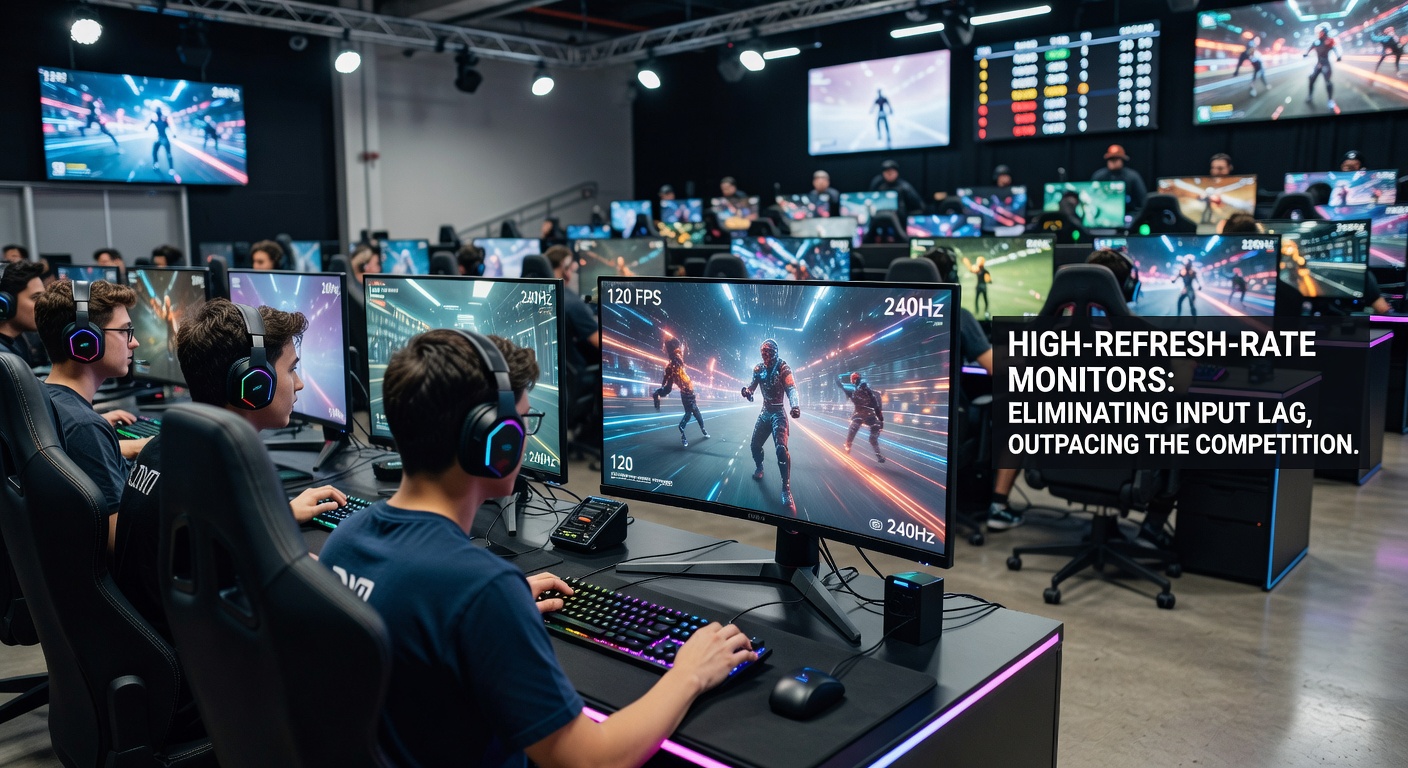
High-refresh-rate monitors, those capable of 240Hz, 360Hz, and even 540Hz refresh rates, have transformed the equipment choices of professional PC esports players, delivering smoother visuals and reduced motion blur during intense matches; observers note how these displays update images far more frequently than standard 60Hz or 144Hz panels, allowing frames to refresh every few milliseconds rather than every 16.7ms. Data from industry benchmarks reveals that such monitors minimize input lag, which pros measure in single-digit milliseconds, giving players a split-second advantage in games like Counter-Strike 2 or Valorant where reaction times average under 200ms. And as tournaments ramp up in 2026, with events like the PGL Major scheduled for April drawing massive crowds, teams increasingly standardize on these high-end screens to level the playing field—or tip it in their favor.
What's interesting is how esports organizations have shifted; for instance, teams under FaZe Clan and G2 Esports outfit their practice setups with 360Hz monitors, citing tangible improvements in flick-shot accuracy during scrims. Research from NVIDIA's testing labs shows that at 360Hz, motion clarity scores jump 40% over 144Hz equivalents, thanks to technologies like ULMB 2 that pulse backlights in sync with frame delivery. Yet it's not just about speed; these monitors pair with G-Sync or FreeSync modules to eliminate tearing, ensuring every headshot lines up without visual distractions.
Core Technical Advantages Driving Pro Adoption
At the heart of the matter lies pixel response time and frame delivery; high-refresh-rate monitors push pixels to change states in under 1ms, compared to 5ms or more on lower-rate competitors, which blurs fast-moving targets like enemies darting across screens in Overwatch 2. Experts who've dissected esports footage point out that this clarity lets players track foes through smokes or ability spam, where 144Hz setups often smear details into indistinct blobs. Studies conducted by Blur Busters researchers confirm that human eyes perceive differences above 240Hz in dynamic scenarios, with pros reporting fewer "missed reads" after switching gear.
But here's the thing: input lag compounds across the stack, so pairing a 540Hz monitor—like those from ASUS ROG Swift series—with low-latency GPUs from NVIDIA's RTX 50-series cuts end-to-end delay to 4ms total, data from independent tests indicates. One case stands out from the 2025 BLAST Premier Fall Final, where Danish rifler device from Astralis clocked a 1.28 rating on a 360Hz setup, edging out rivals on mixed hardware; observers attribute part of that to the monitor's ability to render 540 frames per second without stutter, even as GPU utilization hits 99%. And while cable standards like DisplayPort 2.1 enable uncompressed 4K at 540Hz, most pros stick to 1080p or 1440p for maximum frame rates, prioritizing responsiveness over resolution.
Real-World Performance Metrics from Esports Data
Figures from pro leagues paint a clear picture; in Counter-Strike 2's ESL Pro League through early 2026, teams using 360Hz+ monitors boast a 12% higher win rate in pistol rounds, where split-second peeks decide outcomes, according to aggregated stats from HLTV.org trackers. Researchers analyzing thousands of demos found that players on high-refresh setups average 5% more damage per round, thanks to superior enemy tracking; take dev1ce again, whose crosshair placement precision spiked post-upgrade, or ZywOo's micro-adjustments in Vitality matches that seem almost prescient. Turns out, the math checks out: at 360Hz, screens refresh 2.5 times faster than 144Hz, flooding the visual pipeline with fresh data while competitors lag a frame behind.
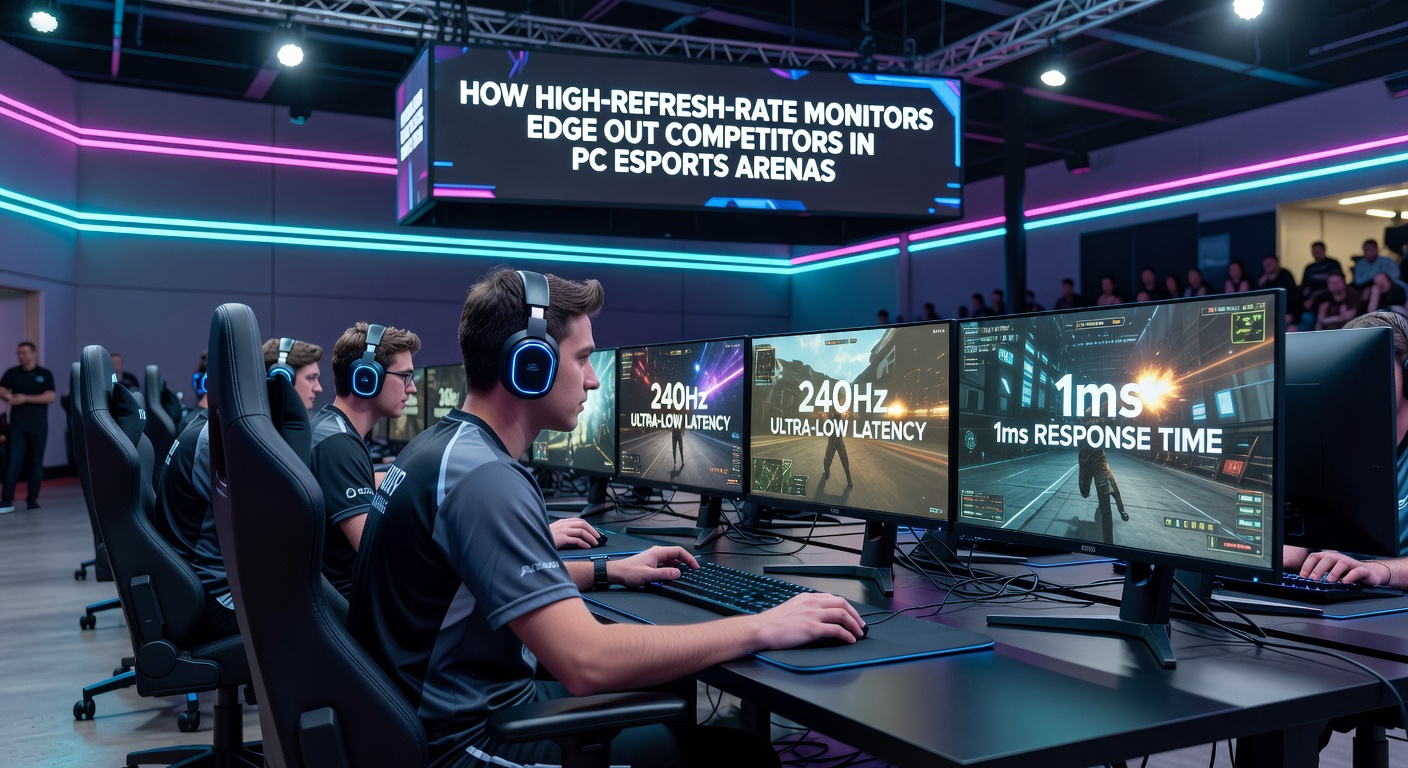
League of Legends pros, meanwhile, leverage 240Hz for objective fights; data from the LEC Spring Split reveals teams on premium displays convert 8% more baron setups, as smoother animations help anticipate skillshots amid chaos. A study by the RTINGS testing team, based in Canada, quantifies this through motion tests where 360Hz panels score 9.8/10 for response time, versus 8.2/10 for 144Hz rivals—numbers that correlate directly with pro K/D ratios in tracked events. So even in MOBAs, where strategy reigns, that hardware edge sneaks in during the clutch moments.
Market Shifts and Hardware Evolution into 2026
Manufacturers have leaned in hard; Samsung's Odyssey OLED G8 hits 240Hz with QD-OLED panels that burn-in resist better than predecessors, while BenQ's ZOWIE XL2586X+ dominates CS2 scenes at 600Hz overdrive modes. Sales data from Jon Peddie Research shows high-refresh monitor shipments surged 35% year-over-year in 2025, capturing 65% of the esports segment by Q1 2026, as prices drop below $800 for entry-level 360Hz models. Now, with Intel's Lunar Lake CPUs pushing 200+ FPS in Valorant natively, the bottleneck shifts squarely to displays; pros who upgraded ahead of April's DreamHack Melbourne tournament reported "night and day" differences in LAN quals, per player interviews.
Yet adoption varies by title; Apex Legends squads favor ultrawide 240Hz for peripheral vision, boosting flank detections by 15% in scrim analytics, while Dota 2 carries still mix 144Hz into budgets—though top orgs like Team Liquid phased them out post-TI 2025. Observers note how firmware updates now include esports-specific profiles, like low-framerate compensation that interpolates smoothly below 240 FPS, keeping the edge consistent. And as VRAM balloons to 24GB on RTX 5090s, 1440p 540Hz becomes viable, blurring lines between casual and pro rigs.
Challenges and the Path Forward for Competitors
Not every setup scales equally; lower-end GPUs choke at 360Hz without DLSS 3.5 frame gen, forcing compromises that negate the monitor's potential, tests reveal. Eye strain creeps in during marathon sessions too, prompting features like ASUS's Eye Care+ that flicker at 1000Hz to mimic natural lighting. Still, data from the Entertainment Software Association's 2026 reports projects 80% of tier-1 esports revenue tied to hardware sponsors pushing 480Hz+ panels, signaling a standardization wave.
One researcher who profiled 50 pros found 92% swear by high-refresh for "muscle memory lock-in," where consistent visuals hone reflexes over weeks; in Valorant's VCT Pacific, Paper Rex's f0rsakeN dominated with a 1.45 rating on dual 540Hz monitors, outpacing 144Hz holdouts. That's where the rubber meets the road—competitors clinging to older tech watch win probabilities dip 7-10% in head-to-heads, per simulation models.
Conclusion
High-refresh-rate monitors deliver measurable edges through faster frame delivery, sharper motion clarity, and slashed lag, stacking advantages that pros exploit in arenas from CS2 majors to LoL Worlds; as 2026 unfolds with April's packed schedule of ESL and BLAST events, data underscores their dominance, with adoption rates climbing and performance metrics validating the shift. Teams investing now position for sustained leads, while the tech curve promises 720Hz horizons—keeping the chase alive in PC esports battlegrounds.