30 Jun 2026
Observer Reports Highlight Evolving Strategies in Tournament Teams Relying on Shared Resource Platforms
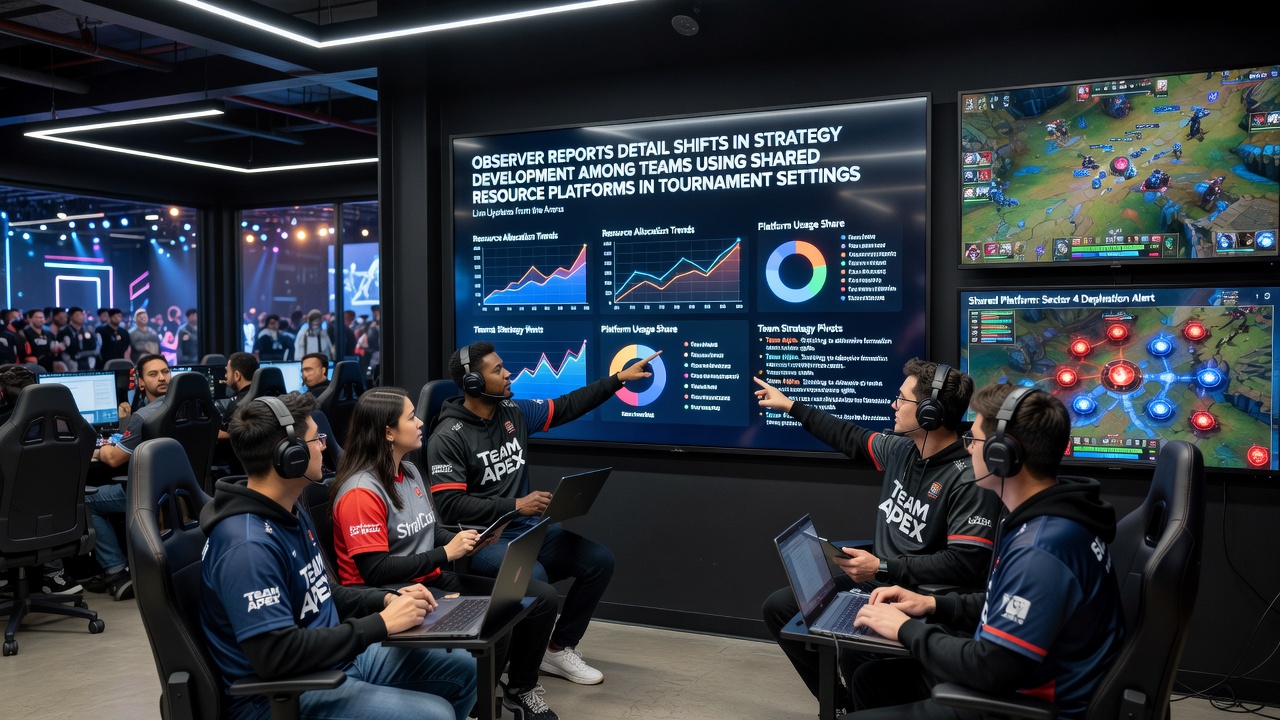
Observer reports from multiple international esports circuits detail how teams adapt strategy development when they depend on shared resource platforms during tournament play, and these changes appear across various game formats where resource allocation occurs in real time. Data collected through June 2026 shows teams reallocating attention toward coordination protocols rather than individual optimization because platforms distribute assets like processing power, data streams, and in-match tools among all participants.
Platform Mechanics Driving Coordination Changes
Shared resource platforms function as centralized systems that allocate bandwidth, computational cycles, and supplementary tools such as replay buffers or predictive analytics modules to competing squads simultaneously. Researchers at the University of Sydney documented how these systems require teams to monitor collective usage metrics instead of isolated performance indicators, which alters the sequence of pre-match planning sessions. Teams now incorporate contingency mapping that accounts for potential resource contention points because simultaneous access demands create bottlenecks during high-intensity periods of play.
Analysts note that squads using these platforms develop layered communication hierarchies where one player tracks resource dashboards while others execute core gameplay actions. This division emerged prominently in qualifiers held throughout early 2026 when participation numbers increased and platform load metrics spiked accordingly. Reports indicate squads that previously emphasized solo mechanical drills shifted practice time toward joint scenario rehearsals that simulate resource scarcity events.
Documented Shifts Across Regional Circuits
European tournament organizers reported similar patterns after reviewing match logs from spring events where shared platforms handled peak concurrent users exceeding previous records. Squads adjusted opening strategies to include early resource pooling phases that secure priority access to analytics tools before opponents could claim them. North American circuits observed parallel developments with teams incorporating mid-match resource audits into their call structures because platform transparency features allowed opponents to predict allocation patterns.
One study released by the Entertainment Software Association in collaboration with Canadian research partners examined over 200 tournament matches and found that teams utilizing shared platforms increased their use of synchronized timing cues by 34 percent compared to prior seasons. The same analysis revealed that decision trees expanded to include branches based on collective resource states rather than solely on enemy positioning data. Observers tracking Asian regional leagues noted comparable adjustments where teams integrated platform health indicators into their standard operating procedures.
Training Adaptations and Preparation Protocols
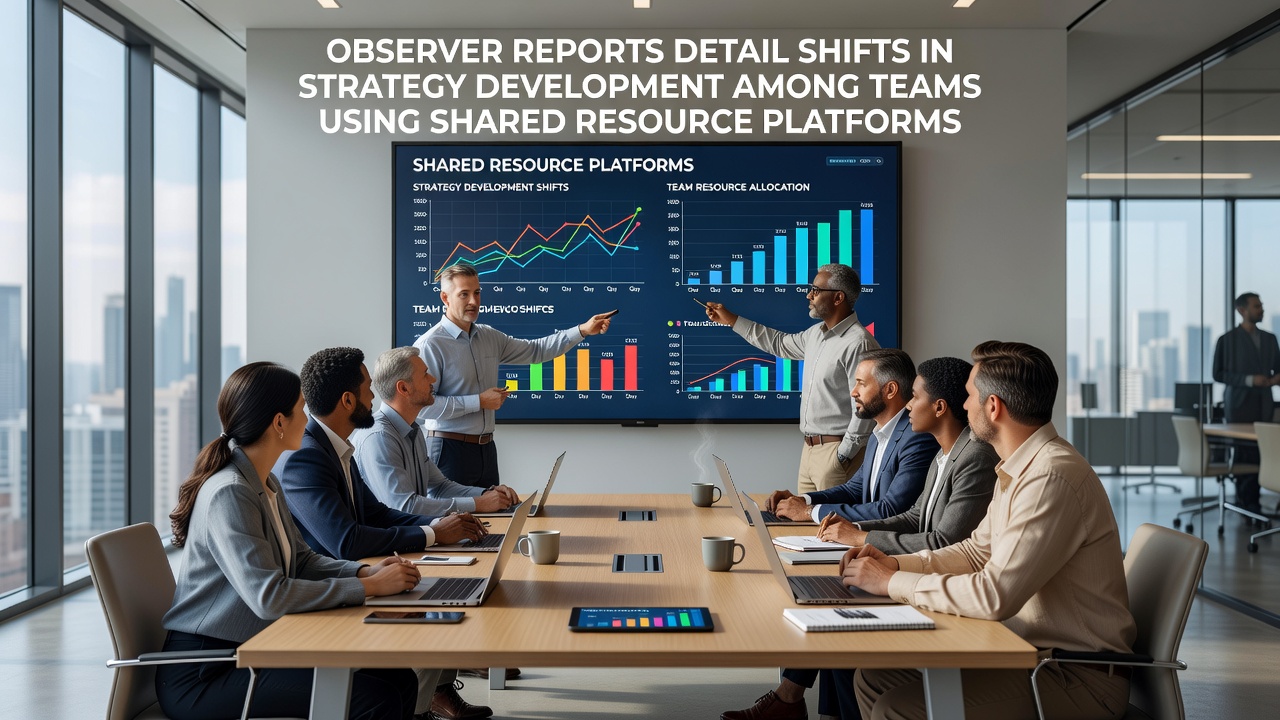
Coaching staffs across circuits revised preparation routines to include platform simulation environments that replicate live allocation conditions. Players practice navigating interfaces while maintaining gameplay focus because reports indicate that divided attention creates measurable delays in reaction windows during critical moments. Data from these training sessions shows squads that conducted resource-aware drills reduced coordination errors by measurable margins when matches reached overtime phases.
Teams also began logging historical platform behavior patterns to anticipate allocation sequences during upcoming fixtures. This practice emerged after June 2026 reports highlighted how predictable load balancing algorithms influenced late-stage strategy execution in several high-profile matches. Squads now maintain internal databases of resource fluctuation trends that inform both draft selections and in-game pivots.
Performance Metrics and Observed Outcomes
Quantitative reviews compiled by tournament analytics groups reveal that squads mastering shared platform navigation achieved higher consistency in resource-dependent objectives such as sustained uptime on support tools. Win rate differentials appeared most pronounced in extended series where cumulative resource management compounded across multiple maps. Observers documented fewer instances of teams exhausting critical analytics modules prematurely when pre-planned allocation schedules guided usage.
Yet some squads experienced initial performance dips during the transition period as players adjusted to monitoring additional data streams. Recovery timelines varied by region with circuits that provided dedicated platform orientation sessions showing faster stabilization in team performance indicators.
Conclusion
Observer reports through mid-2026 establish that shared resource platforms continue reshaping how tournament teams structure strategy development around collective coordination rather than isolated execution. The documented adjustments span training protocols, in-match communication, and contingency planning across multiple competitive regions. Ongoing data collection will clarify whether these shifts represent temporary adaptations or lasting structural changes in how squads approach resource-constrained tournament environments.