19 Jul 2026
Regional Power Grid Differences Shape Outcomes in Portable Esports Tournaments
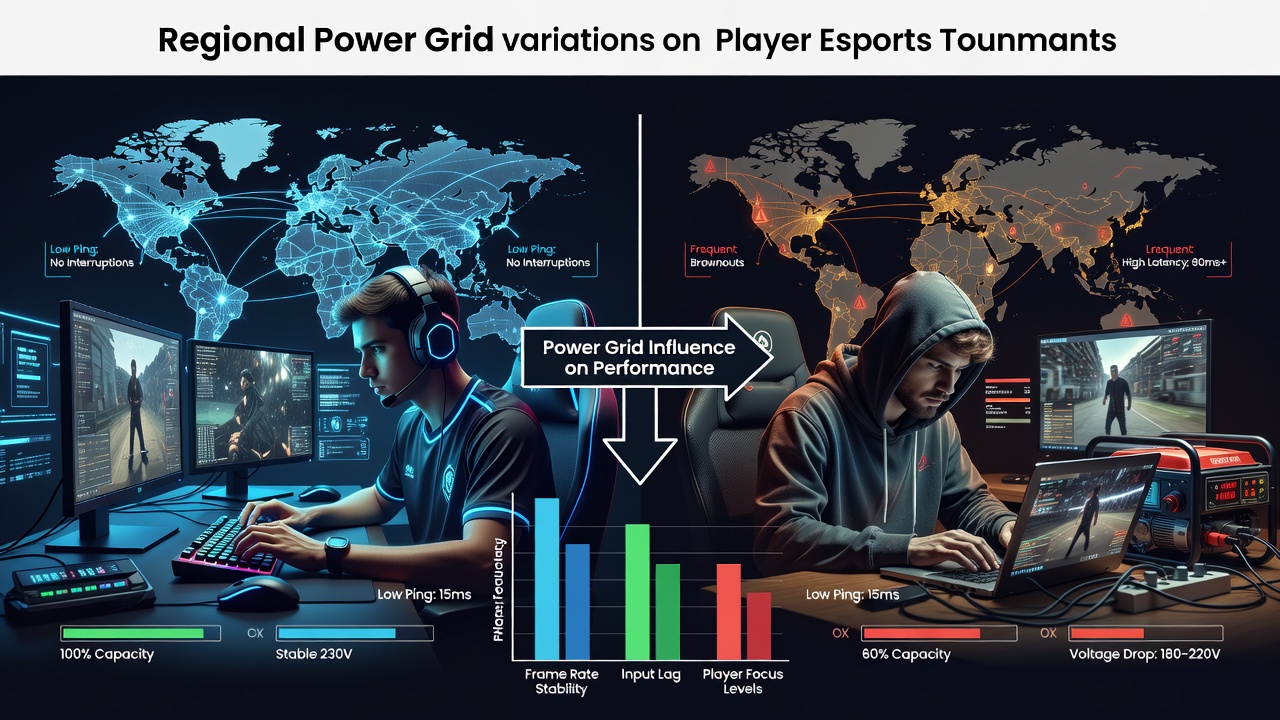
Power grid stability varies sharply from one continent to the next and these differences create measurable effects on how portable devices perform during esports events that rely on battery power or local electricity supplies. Organizers scheduling tournaments in July 2026 must account for voltage fluctuations, frequency deviations, and inconsistent supply quality because each factor can alter device behavior in ways that influence reaction times and session endurance.
Grid Infrastructure Patterns Across Continents
North American grids operate at 60 Hz with standardized voltages that deliver steady current to charging stations at major venues yet some rural or temporary setups still encounter brief sags during peak summer demand. European networks run at 50 Hz and incorporate stricter regulation standards according to data from the European Network of Transmission System Operators for Electricity which reduces certain types of interference but can introduce different harmonic distortions when venues rely on older buildings. Asian markets present a wider mix because countries like Japan maintain highly stable 100 V systems while parts of Southeast Asia experience more frequent brownouts that force players to switch between wall power and battery modes mid-match.
These baseline differences become critical once portable esports hardware enters the picture since mobile consoles and laptops adjust clock speeds and screen brightness in response to incoming power quality. One study from the University of California Energy Institute tracked device telemetry during regional qualifiers and found that competitors in areas with higher voltage variance recorded increased thermal throttling events which shortened effective play windows by noticeable margins.
Device Response to Power Instability
Portable esports gear contains power management chips that monitor input voltage and frequency in real time. When the supply drops below expected thresholds the system reduces processor performance to protect components and this automatic adjustment directly affects frame rates and input registration. Players competing on devices drawing from unstable grids therefore face subtle but consistent disadvantages compared with those in regions offering cleaner electricity.
Researchers at the National Renewable Energy Laboratory in the United States documented similar patterns during simulated tournament conditions and noted that even brief interruptions lasting under two seconds triggered recalibration cycles that added measurable latency. The effect compounds across long bracket stages because recovery time between matches does not always allow full system stabilization.
Regional Event Data from 2026
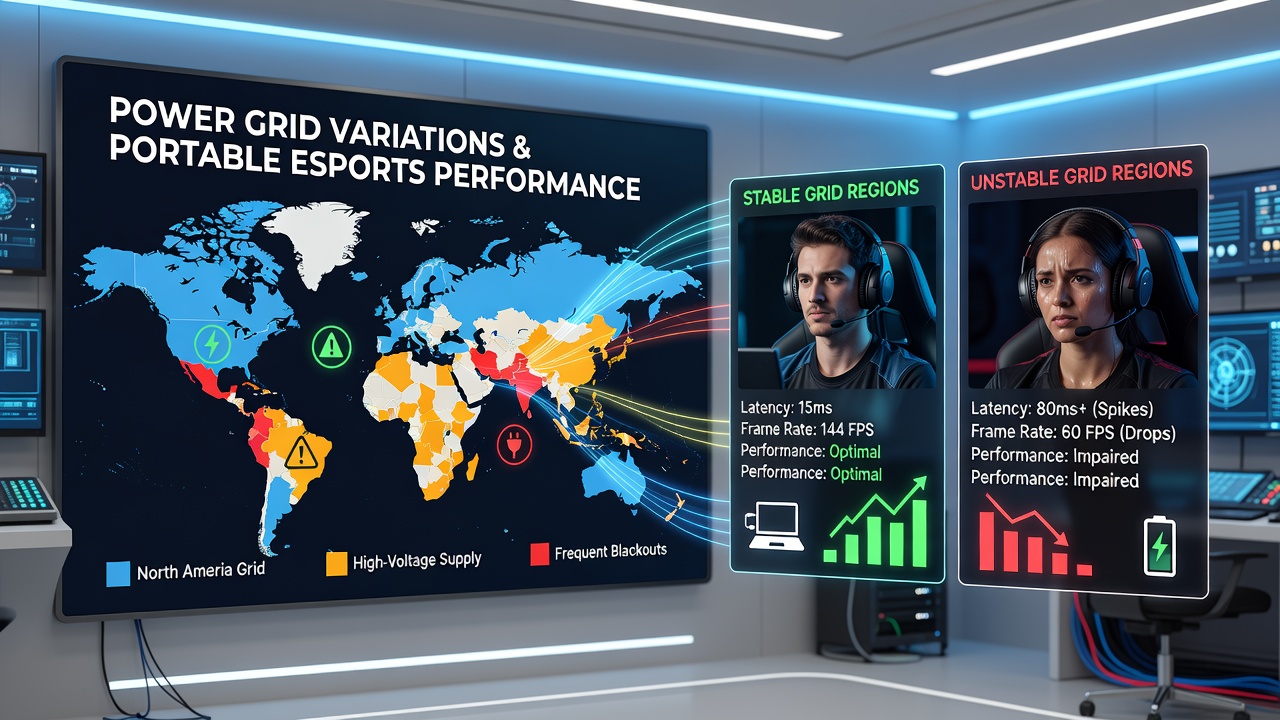
Tournament logs collected in July 2026 across multiple continents revealed clear correlations between grid reliability metrics and player statistics. Events hosted in parts of Australia with robust infrastructure showed lower rates of device-related pauses while qualifiers held in regions experiencing summer grid strain recorded higher instances of unexpected battery drain. Observers noted that squads adapted strategies around these constraints by rotating players more frequently or pre-charging devices at secondary locations with better supply quality.
Industry reports from the Global Esports Federation highlight how organizers now include power quality assessments in site evaluations because past events demonstrated that unaddressed variations could shift match outcomes in measurable ways. Teams that prepared with region-specific power adapters and backup solutions maintained steadier performance curves throughout extended schedules.
Adaptation Strategies Employed by Competitors
Portable esports participants and support staff have developed practical responses to grid inconsistencies including the use of uninterruptible power supplies calibrated for specific voltage ranges and software profiles that limit power draw during known unstable periods. These measures allow devices to operate closer to optimal specifications even when venue electricity fluctuates and they reduce the performance gap between competitors from different grid environments.
Training regimens now incorporate sessions that simulate variable power conditions so athletes become familiar with how their hardware behaves under stress. Data collected from such exercises indicates that familiarity with these changes helps maintain consistent input execution across different tournament locations.
Conclusion
Power grid characteristics function as an invisible variable in portable esports competitions because they influence the hardware foundation on which player performance rests. As events continue expanding globally in 2026 and beyond the need for systematic accounting of regional electricity differences grows alongside the sport itself. Organizers, device manufacturers, and competitors each play roles in mitigating these effects through preparation and technology choices that address the realities of local infrastructure.