28 May 2026
Sequenced Learning Paths and Their Role in Extending Hardware Life for Esports Athletes
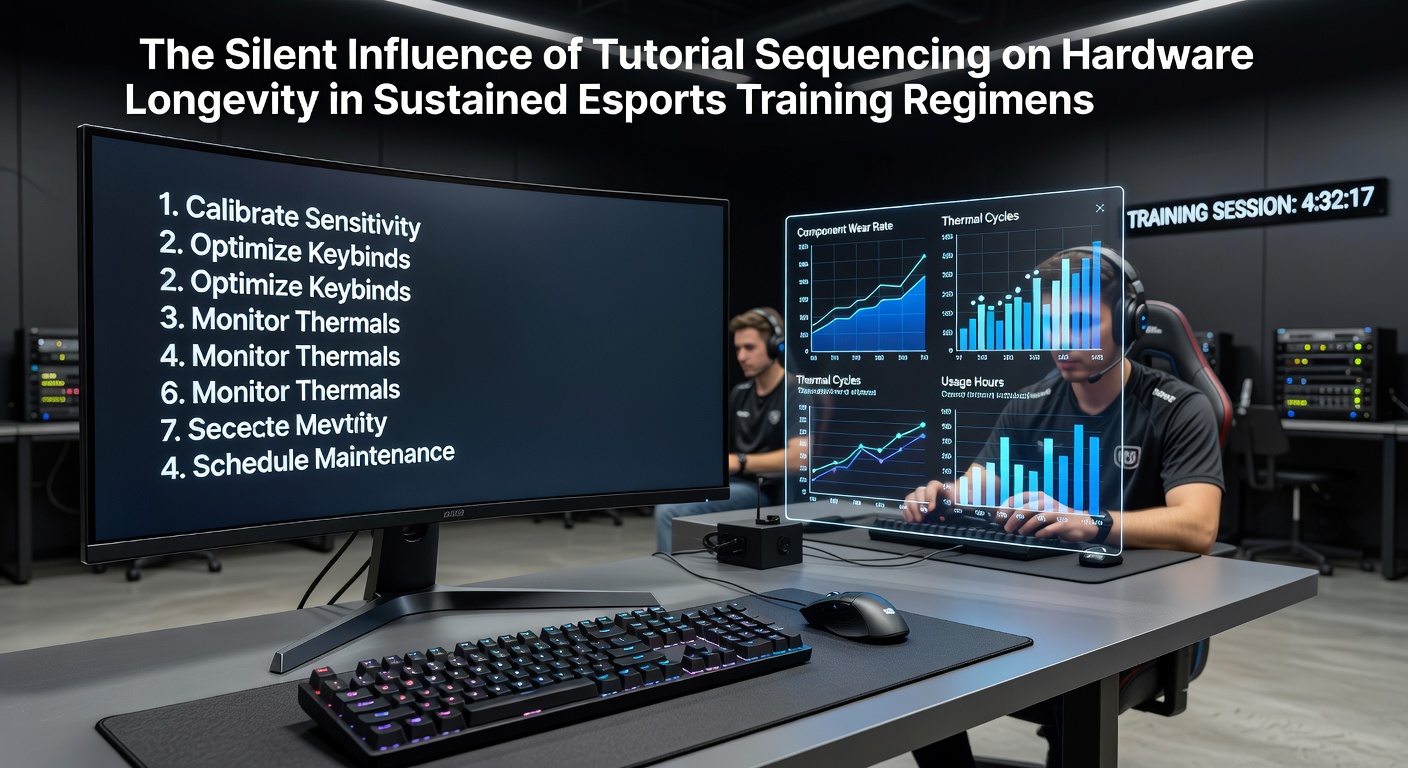
Training regimens in competitive gaming often begin with tutorial modules that introduce mechanics, controls, and strategies in particular orders, and this arrangement influences how intensively hardware components operate over extended periods. Data from performance monitoring tools shows that players following linear tutorial sequences complete initial drills with fewer redundant actions, which reduces unnecessary processor cycles and thermal stress on GPUs and CPUs during daily sessions that can exceed four hours.
Mechanics of Tutorial Arrangement in Practice Environments
Esports programs structure tutorials to progress from basic input handling to complex team coordination, yet variations in this progression alter the frequency of high-load operations such as real-time rendering and physics calculations. Research conducted by institutions including those affiliated with the University of California esports analytics group indicates that sequences emphasizing early mastery of movement reduce later instances of repeated map navigation, lowering average GPU utilization by measurable percentages across multi-week training blocks. Observers note that when tutorials interleave skill checks with rest intervals, hardware fans maintain lower RPM averages, which correlates with decreased bearing wear according to component lifecycle logs collected through 2025 and into May 2026.
Hardware sensors embedded in modern gaming rigs track voltage fluctuations and temperature spikes during these sessions, revealing patterns tied directly to tutorial flow. When sequences front-load resource-intensive simulations, systems experience prolonged peaks in power draw, accelerating capacitor aging in power supply units. In contrast, modular arrangements that allow players to revisit isolated mechanics without restarting full scenarios distribute computational demands more evenly, as figures from European gaming hardware studies compiled by the Interactive Software Federation of Europe demonstrate through aggregated telemetry from thousands of devices.
Component-Specific Responses to Training Order
Graphics cards bear the brunt of visual processing demands, and tutorial sequencing affects shader compilation frequency along with texture streaming loads. Players progressing through tutorials that introduce advanced graphics settings gradually encounter fewer abrupt changes in rendering pipelines, which data logs show preserves VRAM integrity over sustained regimens. Storage drives similarly benefit when tutorial content streams in smaller, sequential packets rather than large simultaneous downloads, minimizing write amplification during repeated practice loops.
Central processing units handle AI pathing and input polling, so sequences that stagger these tasks prevent sustained high-core utilization. Thermal interface materials between dies and heatsinks degrade more slowly under these conditions, with maintenance records from professional training facilities indicating extended intervals between repasting procedures. Power delivery components on motherboards register fewer transient spikes when tutorial modules avoid simultaneous execution of multiple background processes, contributing to overall system stability metrics tracked in industry reports.
Telemetry Insights from Ongoing Programs
Analytics platforms integrated into training software capture session data that links tutorial completion rates with hardware performance trends, and patterns emerging through May 2026 highlight how reordered modules correlate with steadier clock speeds across GPU models from multiple manufacturers. Teams incorporating adaptive sequencing report fewer instances of thermal throttling during peak training weeks, according to aggregated datasets shared among North American collegiate esports leagues. These adjustments appear in firmware update logs that document reduced fan curve aggressiveness, extending operational lifespans without altering core training volume.
Memory modules experience varying refresh rates depending on how tutorial content loads assets, and sequences minimizing cache misses show lower error correction activity in long-term monitoring. Industry organizations such as the Entertainment Software Association have referenced similar findings in hardware optimization guidelines distributed to developers, emphasizing that efficient progression paths reduce overall memory bandwidth consumption during repetitive drills. Such efficiencies compound across months of daily use, as evidenced by replacement cycle statistics from facilities maintaining fleets of standardized rigs.
Integration With Broader Maintenance Protocols
Facilities combine tutorial sequencing adjustments with scheduled hardware checks, creating regimens where software-driven load balancing complements physical upkeep routines. Diagnostic software flags deviations in power consumption tied to specific tutorial segments, allowing coordinators to reorder modules before cumulative stress affects reliability. This approach aligns with practices documented in reports from Australian Interactive Games Association working groups focused on sustainable esports infrastructure.
Players following these optimized paths complete equivalent skill development milestones while hardware exhibits slower degradation curves in key metrics such as drive health percentages and sensor calibration accuracy. Updates to training platforms released around early 2026 incorporated these sequencing options as selectable presets, reflecting data trends gathered from international participant pools.
Conclusion
Overall patterns indicate that deliberate tutorial arrangement serves as one controllable variable in managing hardware demands during prolonged esports preparation, with telemetry consistently showing benefits in component endurance when sequences prioritize even distribution of computational tasks. Continued monitoring through established research channels will likely refine these approaches further as training volumes increase across competitive circuits.