30 Jul 2026
Spectator Retention Metrics Reshaping Hardware Sponsorship Cycles in Mobile Esports Leagues
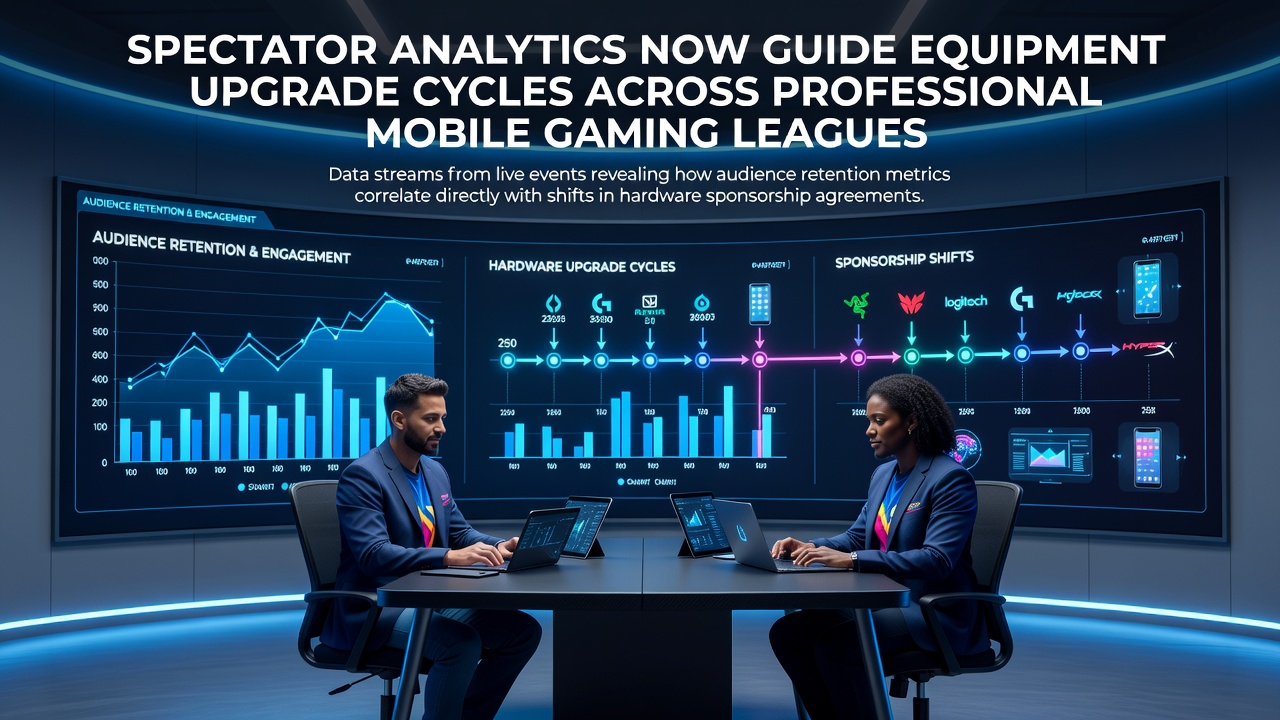
Live event data streams have begun directing equipment upgrade timelines across professional mobile gaming leagues, with audience retention figures showing direct ties to changes in hardware sponsorship agreements. Organizers track viewer drop-off rates during matches, then align those patterns with device performance indicators such as frame consistency and input response times. When retention holds steady through extended sessions, sponsors maintain current hardware lines, yet dips in viewership often prompt rapid contract revisions that introduce newer chipsets or cooling modules.
Live Data Integration in League Operations
League operators collect telemetry from multiple camera angles and broadcast overlays during tournaments held in July 2026, then feed those numbers into centralized analytics platforms. These platforms flag moments when audience numbers decline alongside specific hardware configurations, allowing teams and sponsors to correlate device specifications wth engagement curves. Manufacturers receive aggregated reports that highlight which processor revisions sustain longer viewer sessions, while older models trigger earlier renewal discussions in sponsorship negotiations.
Correlation Patterns Between Retention and Hardware Agreements
Studies conducted by regional tournament organizers reveal that retention rates climb when devices maintain stable thermal profiles over ninety-minute matches. Data sets from events in North America and Southeast Asia show sponsorship shifts occurring within weeks of documented retention drops exceeding twelve percent. In one documented case, a European league adjusted its primary hardware partner after three consecutive events displayed viewer exits clustered around periods of thermal throttling on legacy handsets.
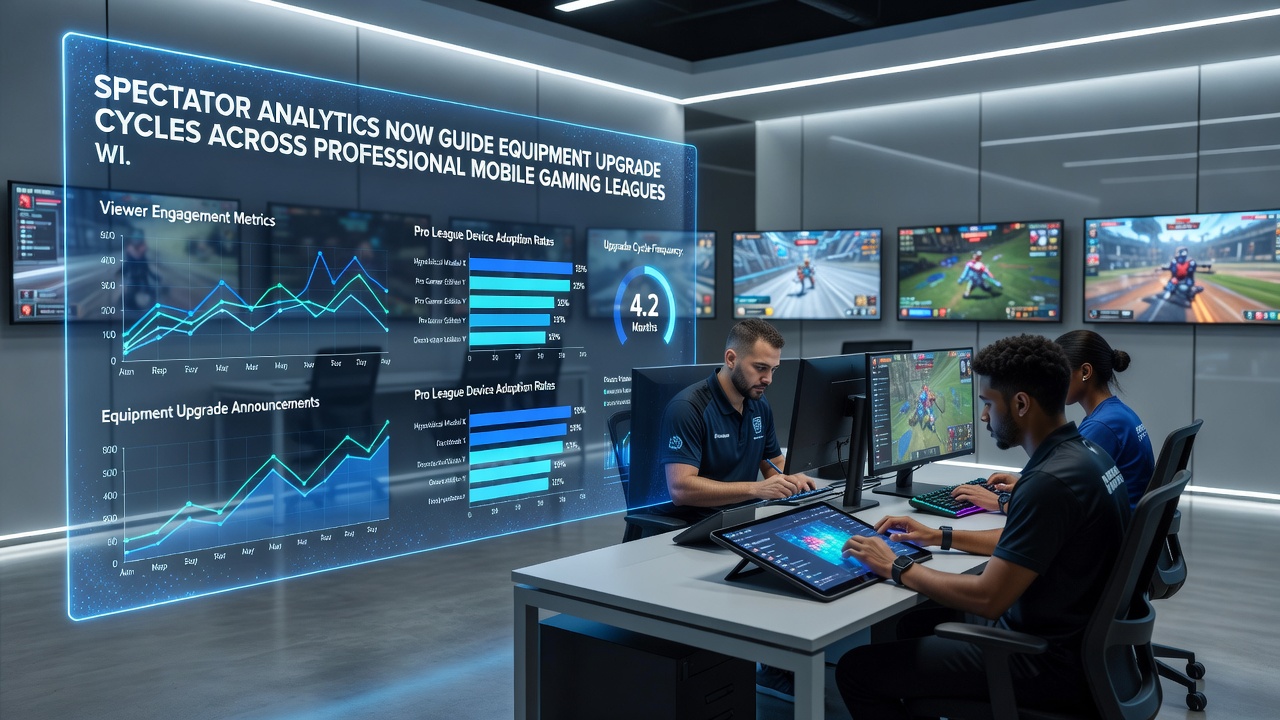
According to figures released by the Entertainment Software Association, hardware refresh cycles in mobile circuits shortened from eighteen months to fourteen months between 2024 and 2026. Retention metrics served as the primary trigger, because sponsors required evidence that upgraded components would hold viewer attention before committing to new multi-year deals. Teams that adopted refreshed devices early recorded steadier audience numbers through later tournament rounds, which in turn supported continued funding from component suppliers.
Equipment Upgrade Triggers Across Regional Circuits
Regional circuits in South Korea and Brazil now schedule hardware reviews immediately after each major event weekend. Analysts compare pre- and post-match retention graphs against device logs that record battery discharge rates and touch sampling frequencies. When retention falls below baseline thresholds for more than two matches, league administrators open bidding windows for new sponsors, often resulting in mid-season equipment swaps. These swaps focus on components that data identifies as bottlenecks, such as memory bandwidth or display refresh synchronization.
Research compiled by the International Game and Esports Federation indicates that leagues using real-time retention dashboards experience sponsorship renewal rates twenty-three percent higher than circuits relying on traditional post-season reviews. The dashboards integrate viewer heatmaps with hardware telemetry, allowing stakeholders to isolate which device features most influence continued watching behavior. Sponsors then prioritize those features during contract talks, accelerating upgrade schedules for the next qualification window.
Future Alignment of Analytics and Sponsorship Planning
League technical committees have begun embedding retention forecasting models into sponsorship request-for-proposal documents. These models project audience stability based on upcoming hardware revisions, giving manufacturers advance notice of performance targets required to retain contracts. As a result, equipment suppliers adjust their development roadmaps to match league timelines rather than internal release calendars. Observers note that this alignment reduces the gap between new chipset announcements and their appearance in professional mobile play.
Conclusion
Retention data from live streams continues to serve as the central input for hardware upgrade decisions across mobile esports leagues. Sponsorship agreements now incorporate performance clauses tied directly to audience metrics, creating a feedback loop where device improvements must demonstrate measurable viewer retention gains. This approach has standardized upgrade cycles and linked equipment choices more tightly to broadcast engagement outcomes observed during events worldwide.