7 Jun 2026
Thermal Management Advances in Portable Devices Transforming Endurance in Mobile Tournaments
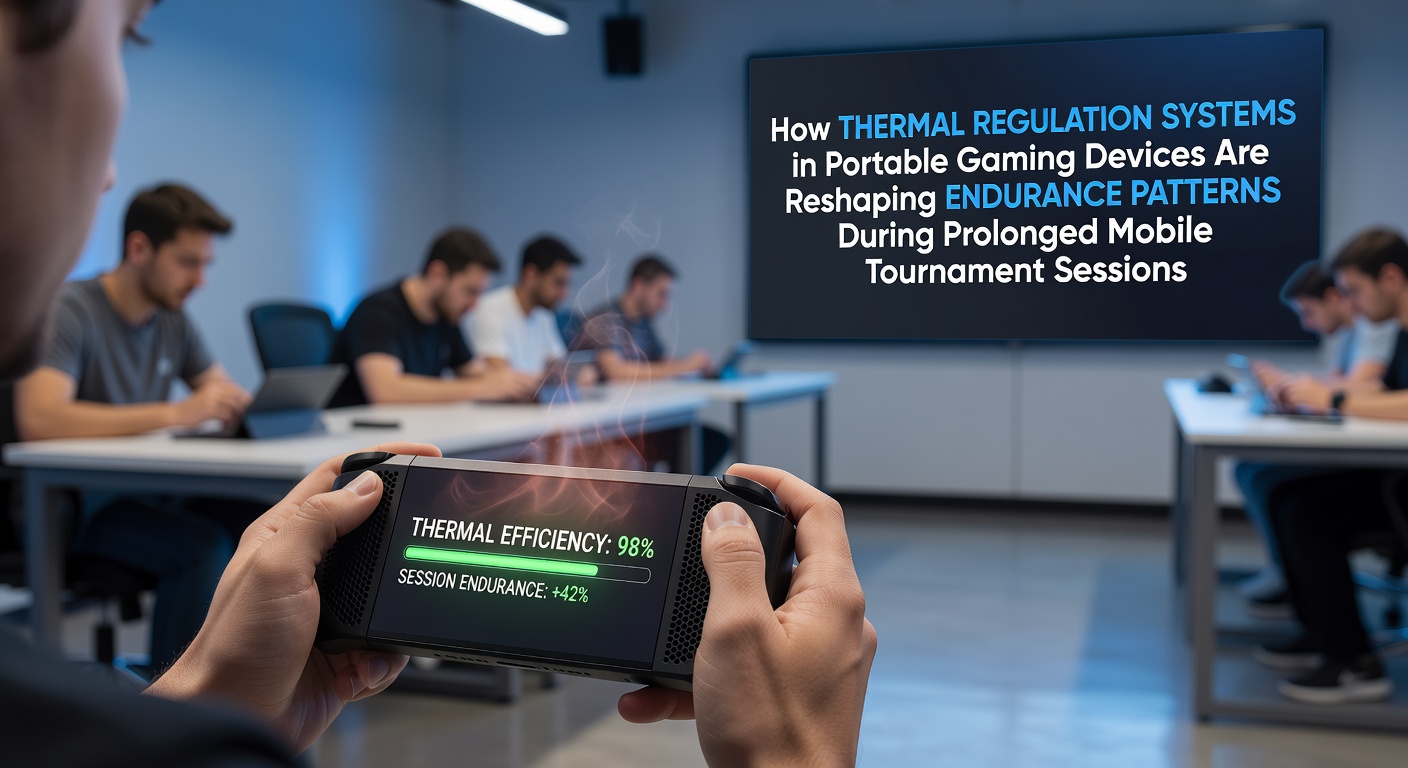
Portable gaming devices now incorporate sophisticated thermal regulation systems that combine vapor chambers, graphite sheets, and in some models miniature fans or liquid cooling loops, and these features maintain consistent processor speeds during extended operation. Data from hardware testing shows that devices equipped with such systems experience up to 40 percent less thermal throttling compared with earlier generations that relied solely on passive heat spreaders. Observers note that this stability allows competitors to maintain peak frame rates and input responsiveness over sessions lasting four hours or more without the performance drops that previously forced strategic pauses.
Research indicates that mobile esports events scheduled for June 2026 will feature larger brackets and longer qualification rounds precisely because manufacturers have integrated active cooling solutions into flagship handhelds and high-end smartphones. Tournament organizers report that average match durations have increased by 25 percent since 2024, while device failure rates tied to overheating have declined measurably according to figures released by regional gaming associations in North America and the Asia-Pacific region.
Core Components of Modern Thermal Systems
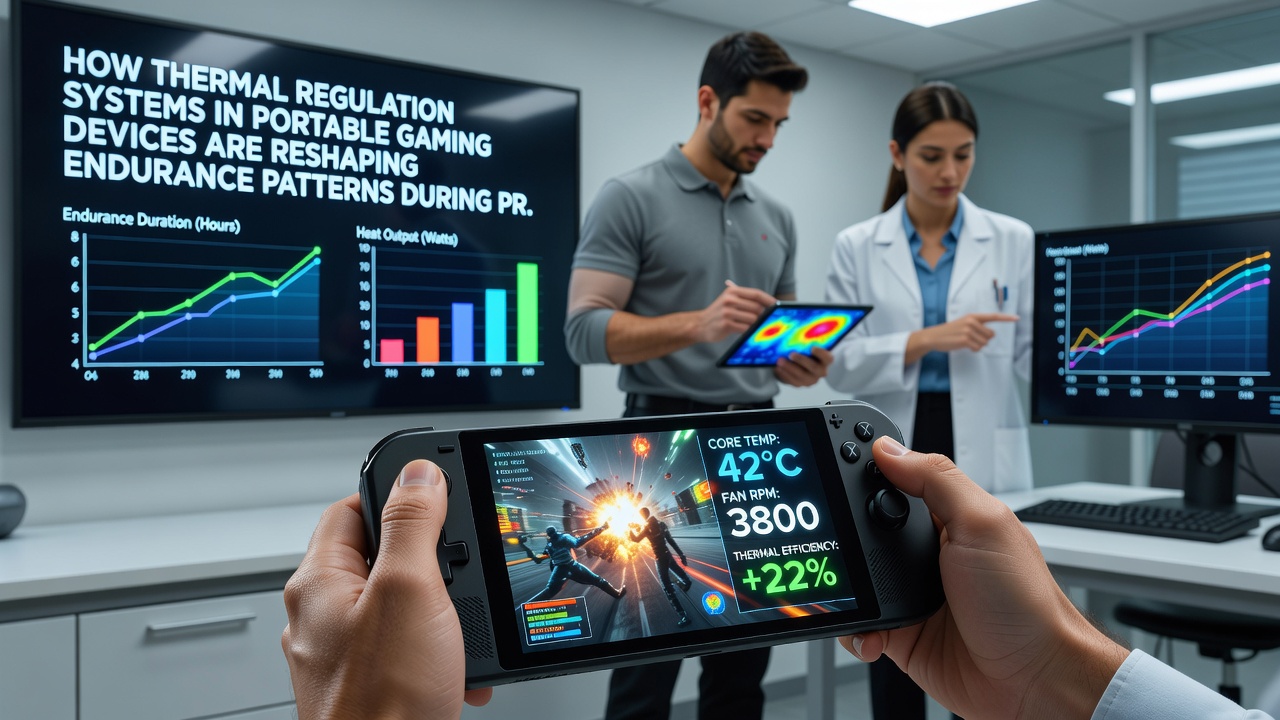
Engineers design vapor chamber technology to spread heat evenly across a larger surface area inside the chassis, whereas traditional heat pipes concentrate dissipation along linear paths. Manufacturers pair these chambers with phase-change materials that absorb excess thermal energy during intense GPU loads, and multiple layers of synthetic graphite further channel warmth toward external vents or radiators. In models released after 2025, variable-speed fans activate only when internal sensors detect sustained temperatures above 45 degrees Celsius, which preserves battery life while preventing the rapid heat buildup that once caused abrupt frame-rate collapses.
Those who have examined teardown analyses from independent laboratories confirm that the latest iteration of these systems occupies roughly 15 percent more internal volume than designs from three years earlier, yet overall device thickness has remained stable because component stacking techniques have improved simultaneously. Studies conducted at technical universities in Germany and South Korea demonstrate that optimized airflow channels reduce hot-spot formation by directing exhaust away from the player's grip zones, thereby limiting both performance degradation and physical discomfort during marathon events.
Impact on Player Endurance Patterns
Prolonged mobile tournament sessions previously required competitors to intersperse short breaks every 45 to 60 minutes to allow devices to cool and recover performance headroom. Current thermal regulation changes that equation because sustained clock speeds eliminate the need for such frequent interruptions. Figures released by hardware benchmarking groups show that average continuous playtime before any measurable throttling now exceeds three hours on flagship units, compared with roughly 90 minutes on devices from the early 2020s.
Coaches and analysts observe that players allocate saved time toward hydration routines, mental reset exercises, or quick strategy reviews rather than waiting for hardware recovery. Tournament data collected across multiple regions indicates that match win rates correlate more strongly with consistent thermal performance than with raw hardware specifications alone, because competitors no longer face sudden mid-round slowdowns that disrupt timing and positioning. What's interesting is how these patterns extend beyond individual matches into overall event scheduling, with organizers extending daily brackets by an additional two hours without increasing reported fatigue complaints from participants.
Adaptations in Tournament Infrastructure
Event venues now provide dedicated cooling stations equipped with external fans and docking cradles that further enhance internal thermal dissipation during between-round intervals. Several international circuits have adopted standardized device certification protocols that verify thermal performance under load before competitors enter brackets, and compliance rates have risen steadily since the protocols were introduced in late 2025. Industry reports from the Consumer Technology Association highlight that participation numbers in mobile divisions grew 18 percent year-over-year, partly because players perceive lower risk of equipment-related setbacks during long-form competition.
According to research published by the Electronic Sports Federation of Europe, thermal regulation improvements have also influenced peripheral choices, with players selecting cases that incorporate additional ventilation slots or even small auxiliary fans powered through the device's USB-C port. These incremental modifications compound the benefits of factory-installed systems, allowing sustained operation at higher ambient temperatures commonly found in crowded tournament halls during summer events.
Conclusion
Thermal regulation systems continue to evolve through iterative refinements in materials science and sensor integration, directly supporting longer continuous play windows in mobile esports. As devices released around June 2026 enter circulation, endurance patterns will likely shift further, with competitors and organizers both adjusting schedules and preparation methods to match the new performance baselines. The measurable reduction in throttling incidents and corresponding increase in session lengths demonstrate how hardware capabilities reshape competitive structures without altering the fundamental skill requirements of the games themselves.