2 Aug 2026
Visual Field Training Protocols and Performance Metrics in Esports Facilities
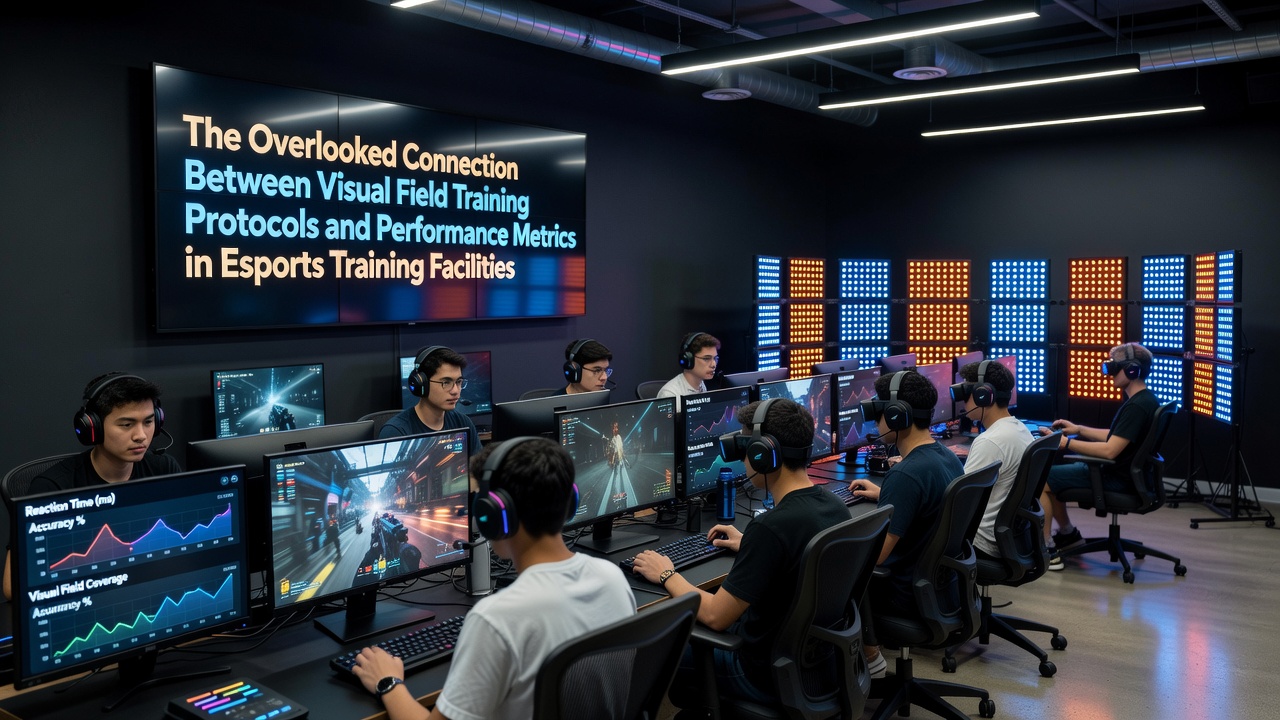
Training centers dedicated to esports have started incorporating visual field protocols that target peripheral awareness and rapid eye movement, and data from multiple sites shows measurable shifts in reaction times along with accuracy scores during competitive sessions. Facilities track these changes through standardized software that logs eye-tracking results alongside in-game statistics such as kill-death ratios and decision latency.
Core Elements of Visual Field Protocols
Programs typically combine static target drills with dynamic exercises that require athletes to identify stimuli at the edges of their vision while maintaining central focus, and sessions often run for 20 to 30 minutes before regular gameplay practice. Researchers at facilities in North America and Asia have documented how these routines increase the effective visual span, which in turn supports faster responses to off-screen threats in fast-paced titles. Equipment includes specialized screens and head-mounted trackers that record gaze patterns in real time, allowing coaches to adjust difficulty based on individual baseline measurements.
Links to Quantifiable Performance Data
Performance metrics collected at these centers include reaction time averages, peripheral hit rates, and sustained accuracy over extended matches, and reports indicate that participants completing weekly visual field sessions show average improvements of 8 to 12 percent in these areas after eight weeks. Facilities compare pre- and post-training datasets to identify patterns, such as reduced missed cues during high-pressure moments, and these correlations appear consistent across different game genres from first-person shooters to real-time strategy titles. One study from Stanford University researchers tracked 150 athletes and found that expanded visual fields correlated with quicker target acquisition times during tournament simulations.
Implementation Across Global Training Sites
Centers in South Korea and Germany integrate visual field work into daily schedules alongside physical conditioning and tactical reviews, while facilities in Australia emphasize data logging through centralized platforms that aggregate results from multiple athletes. In August 2026 several regional leagues plan to release aggregated findings from these programs, highlighting how consistent protocol adherence influences qualification rates in international events. Equipment calibration occurs at the start of each cycle to maintain measurement reliability, and coaches review weekly reports that combine visual metrics with in-game telemetry.
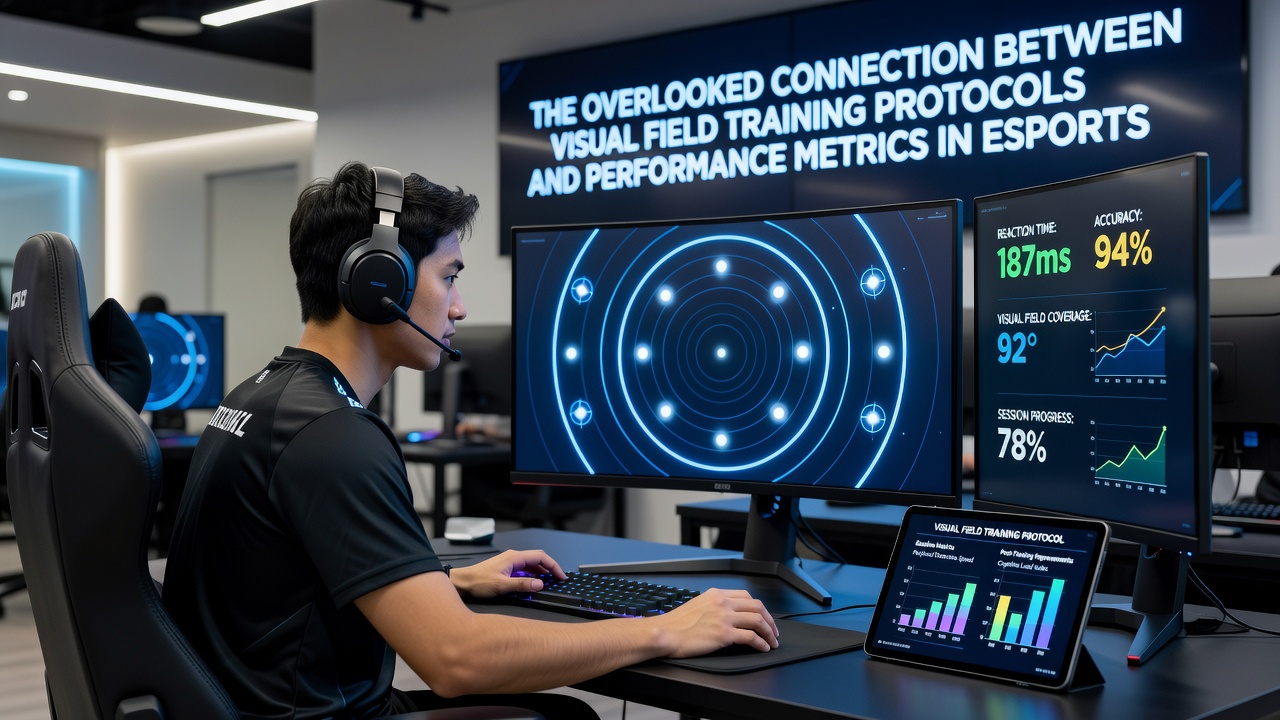
Training facilities also monitor fatigue indicators because extended visual drills can influence eye strain levels, and protocols incorporate rest intervals to prevent performance dips. Data from Canadian university labs shows that athletes who follow structured visual routines maintain steadier accuracy curves during late-stage matches compared with control groups. These observations emerge from longitudinal tracking that spans multiple tournament cycles rather than single events.
Case Examples from Operational Facilities
Take one facility in Singapore where staff introduced graduated peripheral drills for a squad preparing for regional qualifiers, and subsequent logs revealed a drop in response delays during clutch situations. Another site in Sweden combined eye-movement exercises with existing warm-up routines, resulting in documented gains in squad coordination metrics tracked by team analytics software. Observers note that success depends on consistent application, because irregular sessions produce weaker correlations with performance outcomes.
Facilities continue to refine these approaches by cross-referencing visual field data with hardware variables such as monitor settings and input device calibration. A report from the European Esports Federation outlines how integrated training logs help identify when visual improvements plateau, prompting adjustments in drill intensity or duration. Such records provide coaches with objective benchmarks that guide individualized plans rather than uniform schedules.
Conclusion
Training facilities worldwide now treat visual field protocols as measurable components within broader performance systems, and ongoing data collection supports clearer connections between these exercises and in-game statistics. Continued monitoring through 2026 and beyond will likely clarify optimal frequency and integration methods across different competitive levels.